roamania

Travel Guide

What a Turda Trip!

By Laura · Spokesperson for Roamania.Travel · 5 min read

35km

from Cluj-Napoca

40,000+

residents

60,000 yrs

of settlement

2–3 days

ideal stay

Hello friends! This is the first of my periodic blogs on travel throughout Romania. I decided to write these to give you fun and interesting information that might inspire you to travel in this beautiful country. My first stop is in Turda.

Ok, let’s address this name right up front. I was born in America to Romanian parents, so “Turda” doesn’t sound appetising and, at the very least, sparks potty jokes. Let’s not judge a book by its cover, however, or a home by the name on the door.

If you’ve never been to Turda, you are in for a treat. It’s a city of more than 40,000 residents in the southeastern portion of Transylvania, thirty-five kilometres south and east of Cluj-Napoca — and it deserves a spot on your Romanian itinerary, even if its name doesn’t exactly scream “vacation brochure.”

“And yes, I realize that may not be the most sophisticated way to introduce a European destination.”

Quirky fact

Visitors can ride a 20-metre-tall Ferris wheel, play mini-golf, bowl or rent rowboats — all deep inside the salt walls of the Rudolf Mine. A complete amusement park, underground, inside a salt mine.

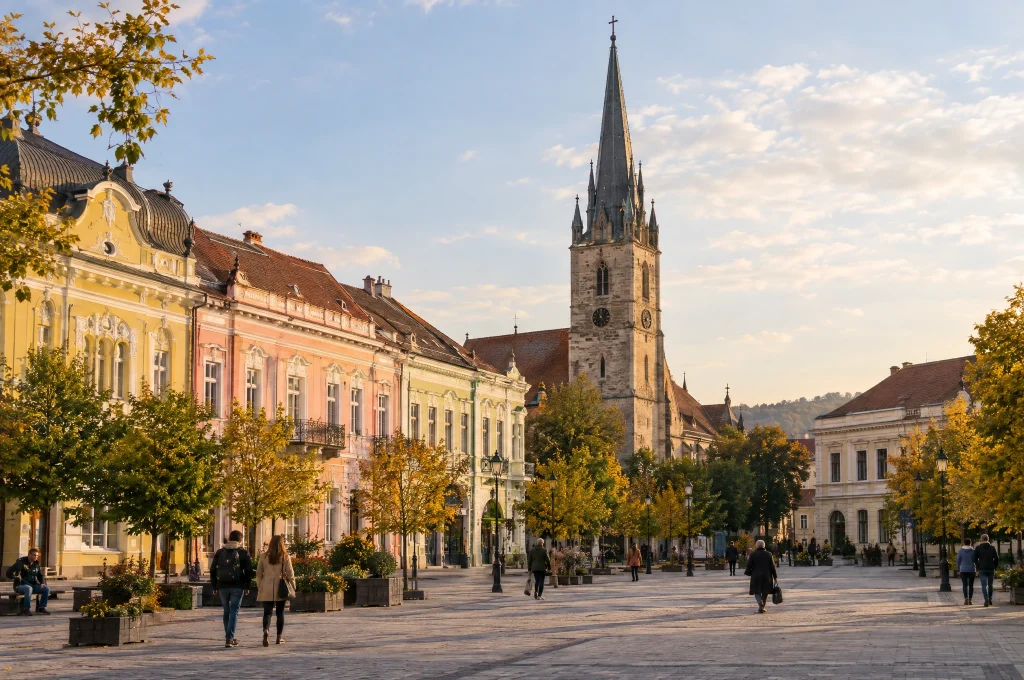
History of Turda

Turda has evidence of human settlement going back 60,000 years, thanks to the salt mines worked here since the Middle Paleolithic. Founded by the Dacians no later than the 5th century BCE and conquered by the Romans in 106 CE, the city was later home to the 1568 “Edict of Turda” — the first mandate of religious freedom in Christian Europe. It joined the Kingdom of Romania only after World War I, in 1920. Old and venerable — now, let’s get to the fun stuff.

Turda through the ages

60,000 yrs ago

First traces of settlement near the salt deposits.

5th c. BCE

Founded as a Dacian stronghold.

106 CE

Conquered and named Potaissa by Rome.

1241–42

Survives the Mongol invasion of Transylvania.

1568

The Edict of Turda — religious freedom, a European first.

1920

Joins the Kingdom of Romania after WWI.

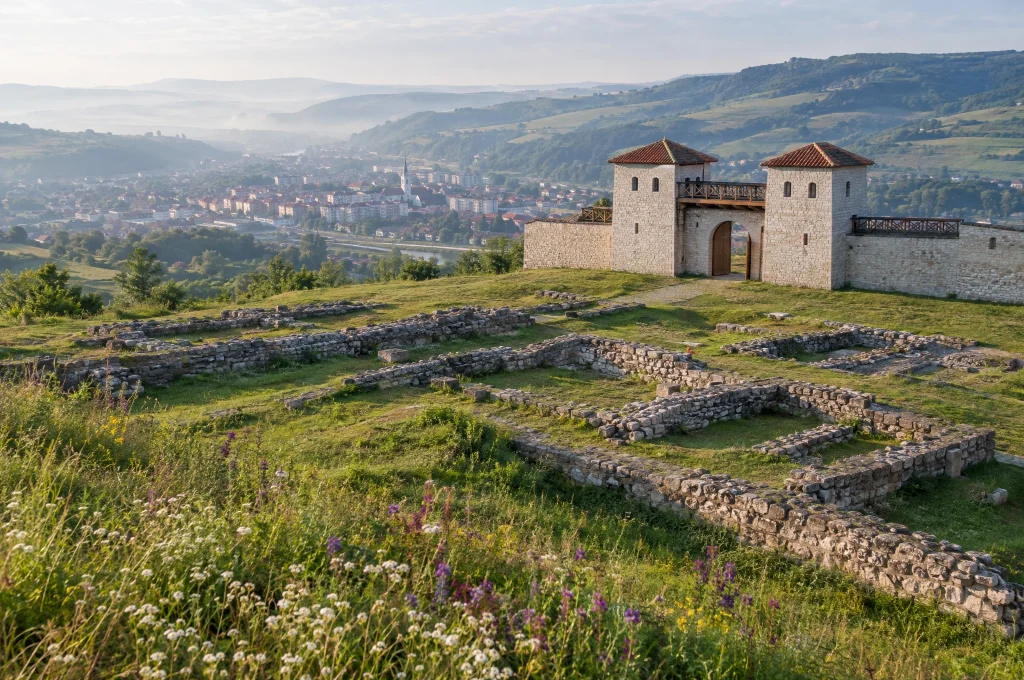
The remains of Potaissa, Turda's Roman-era name.

There are some cool things to see

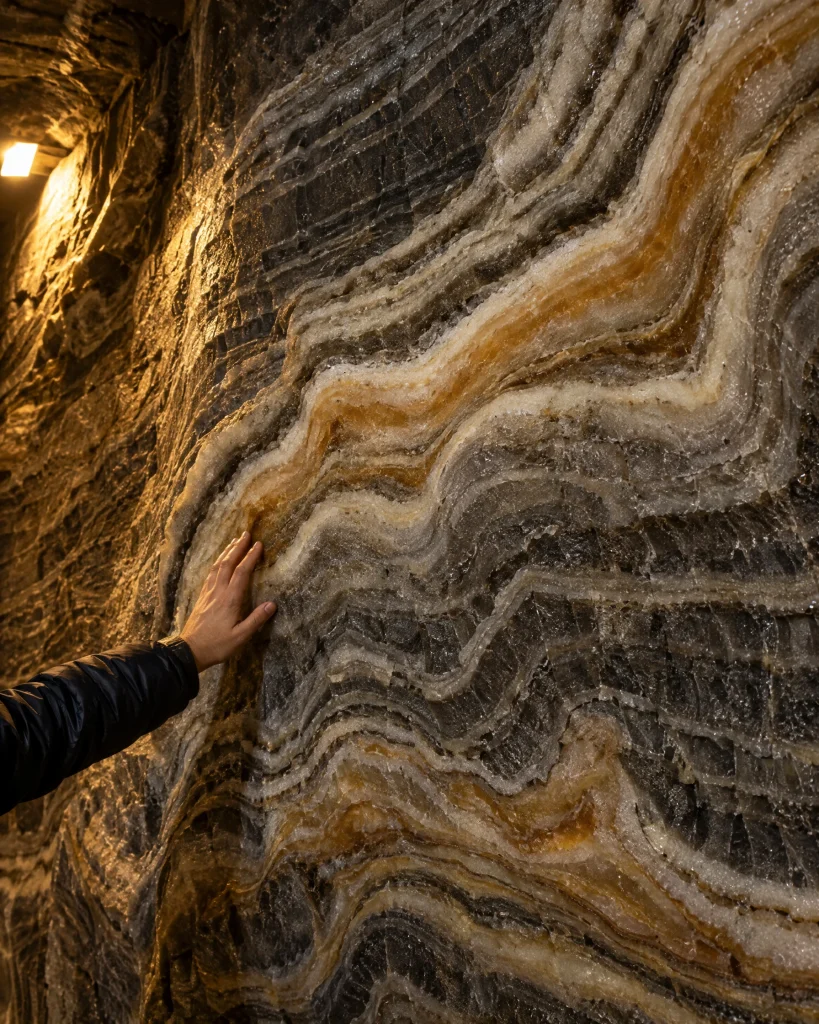
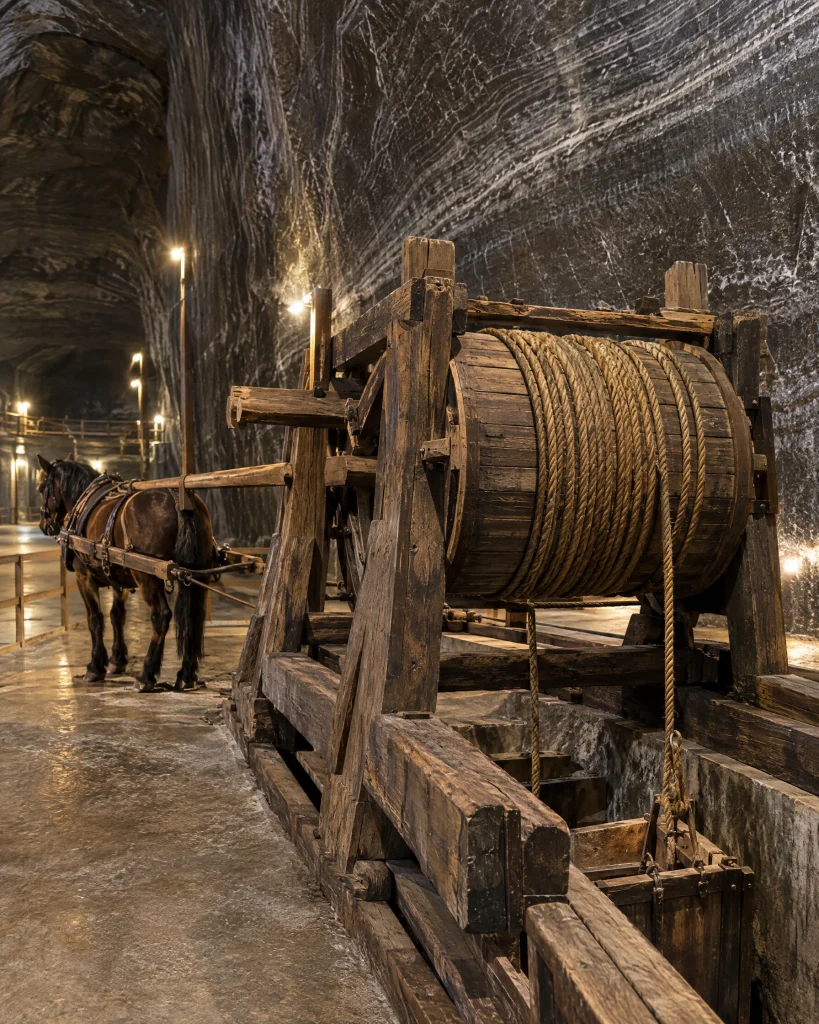
The region’s salt mines made it valuable to every invader who wanted it. Before refrigeration, salt was essential for preserving meat, fish and cheese — and the miners often carved cool chapels and other constructions straight into it.

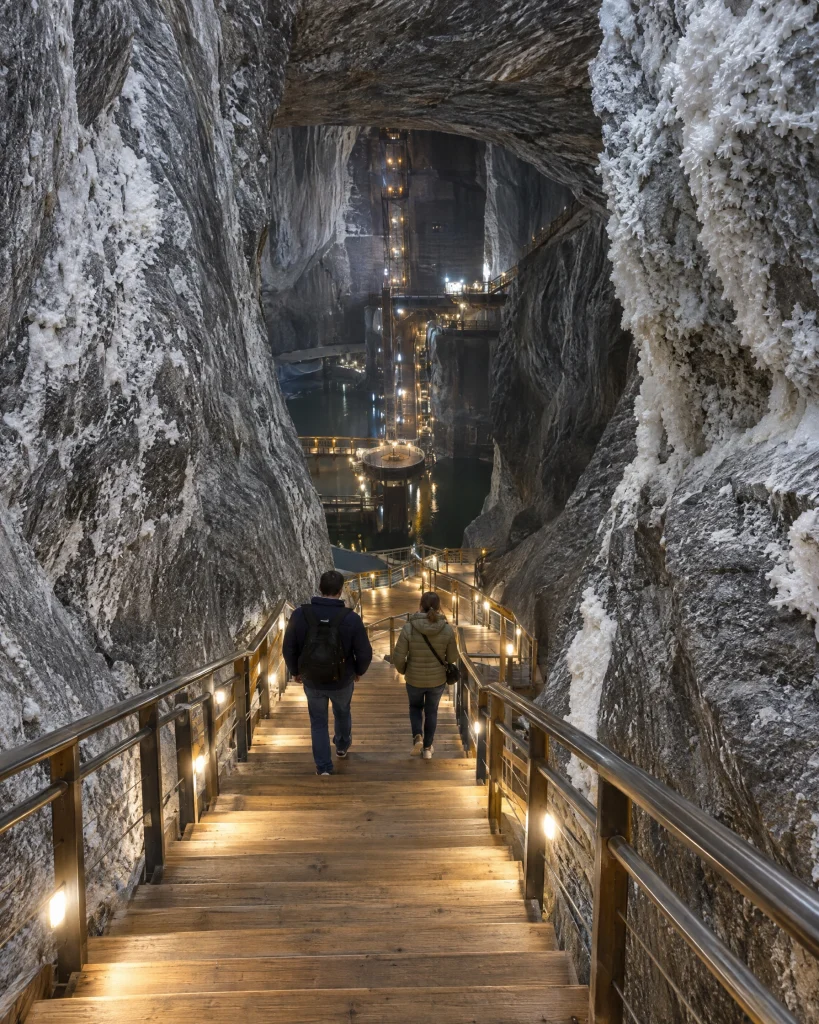
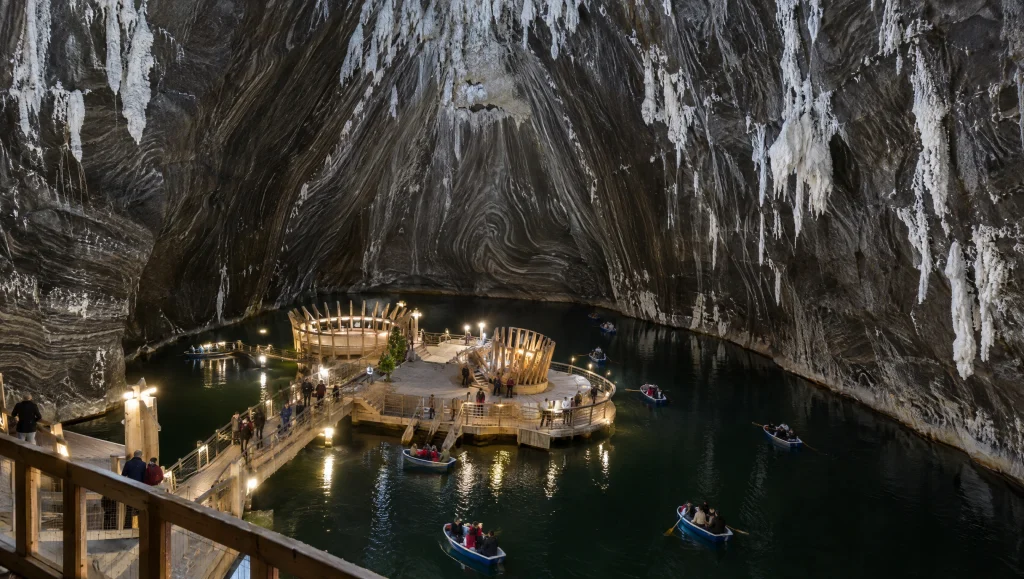
Walking into a salt mine is so entrancing!

The scale of the mine will assault your senses.

Salina Turda has been here for many seasonings.

The underground lake, deep inside Salina Turda.

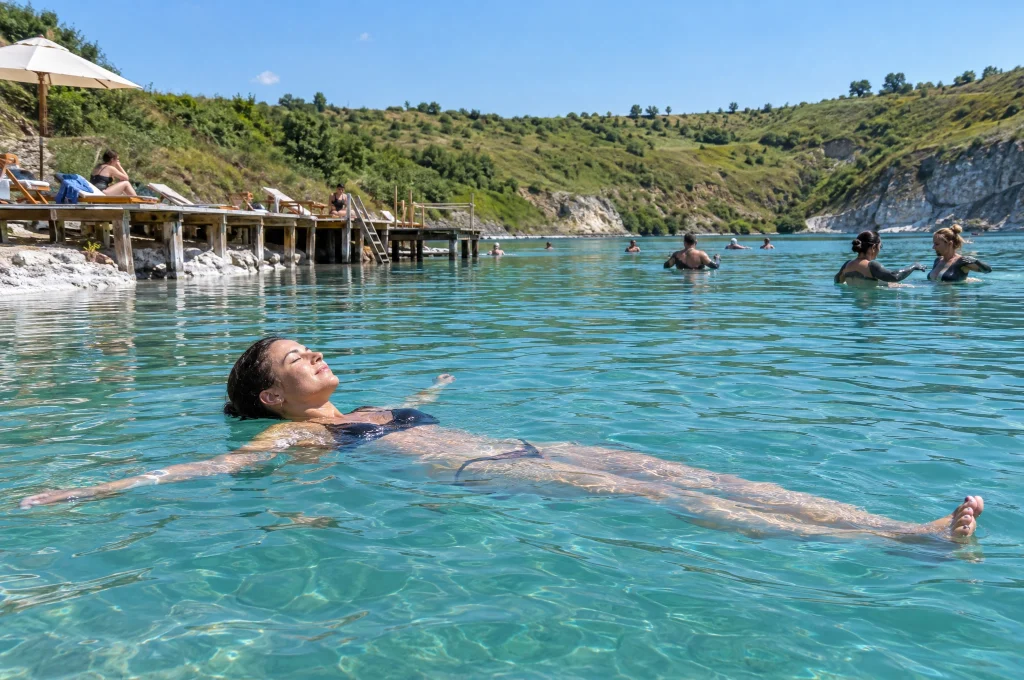
Nearby, the Dargău Salt Lakes are the saltiest in Europe — so salty you can’t dive under the water, and you’ll float on your back the moment you try. The salty mud makes for a great beauty treatment, and there are Roman ruins and vineyards close by too.

The Dargău Salt Lakes — float, don't dive.

The Dargău Salt Lakes — float, don't dive.

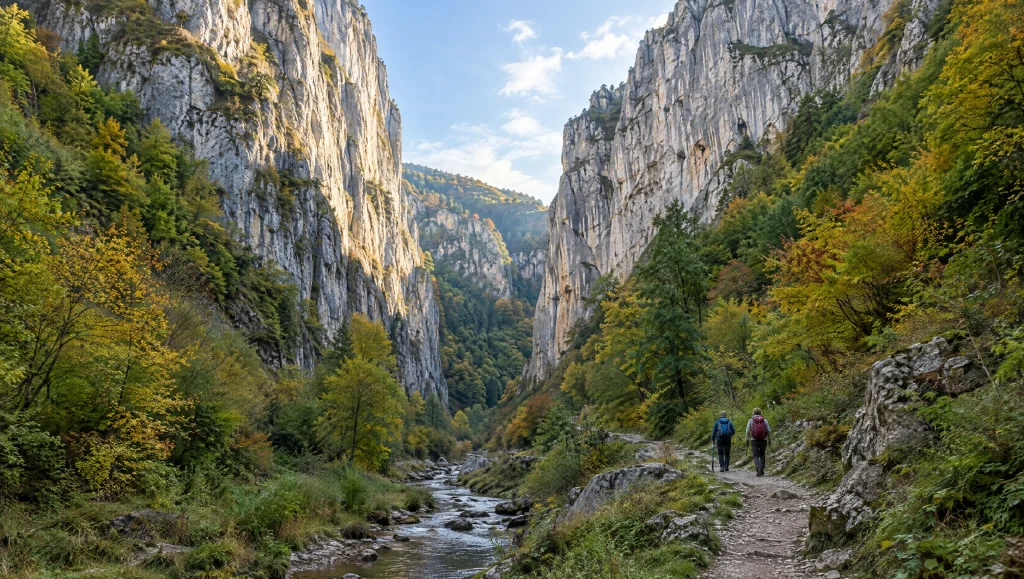
Turda Gorge, a short drive away.

Where to stay

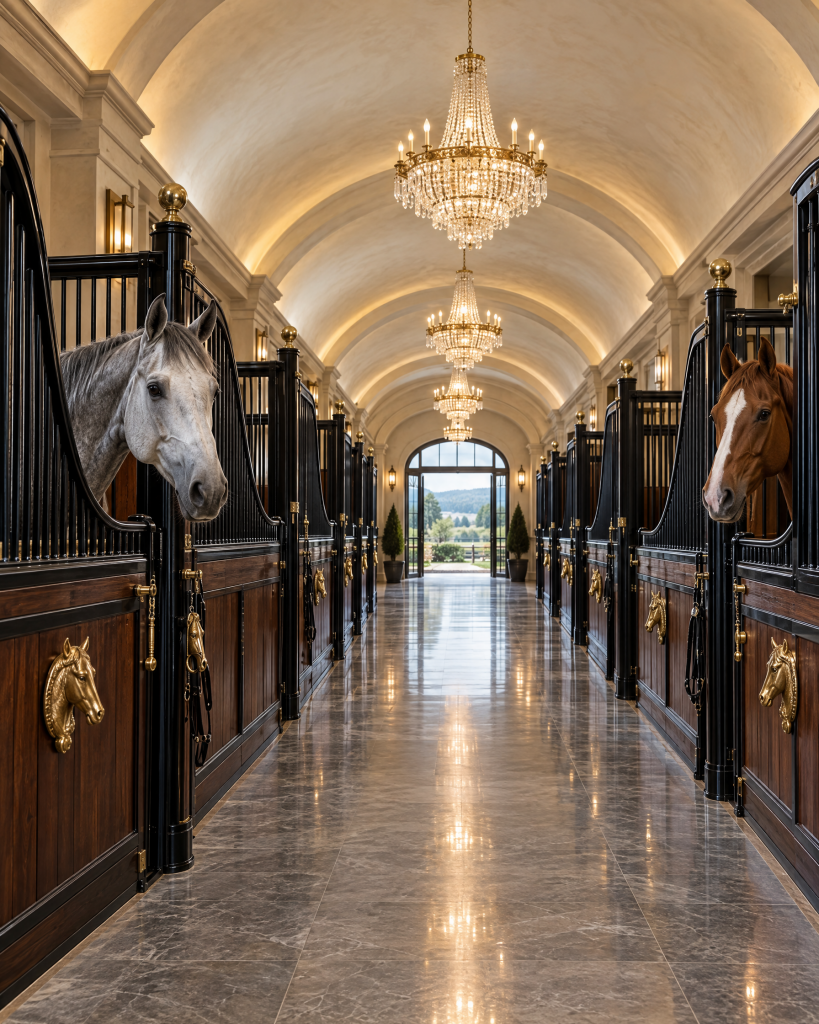
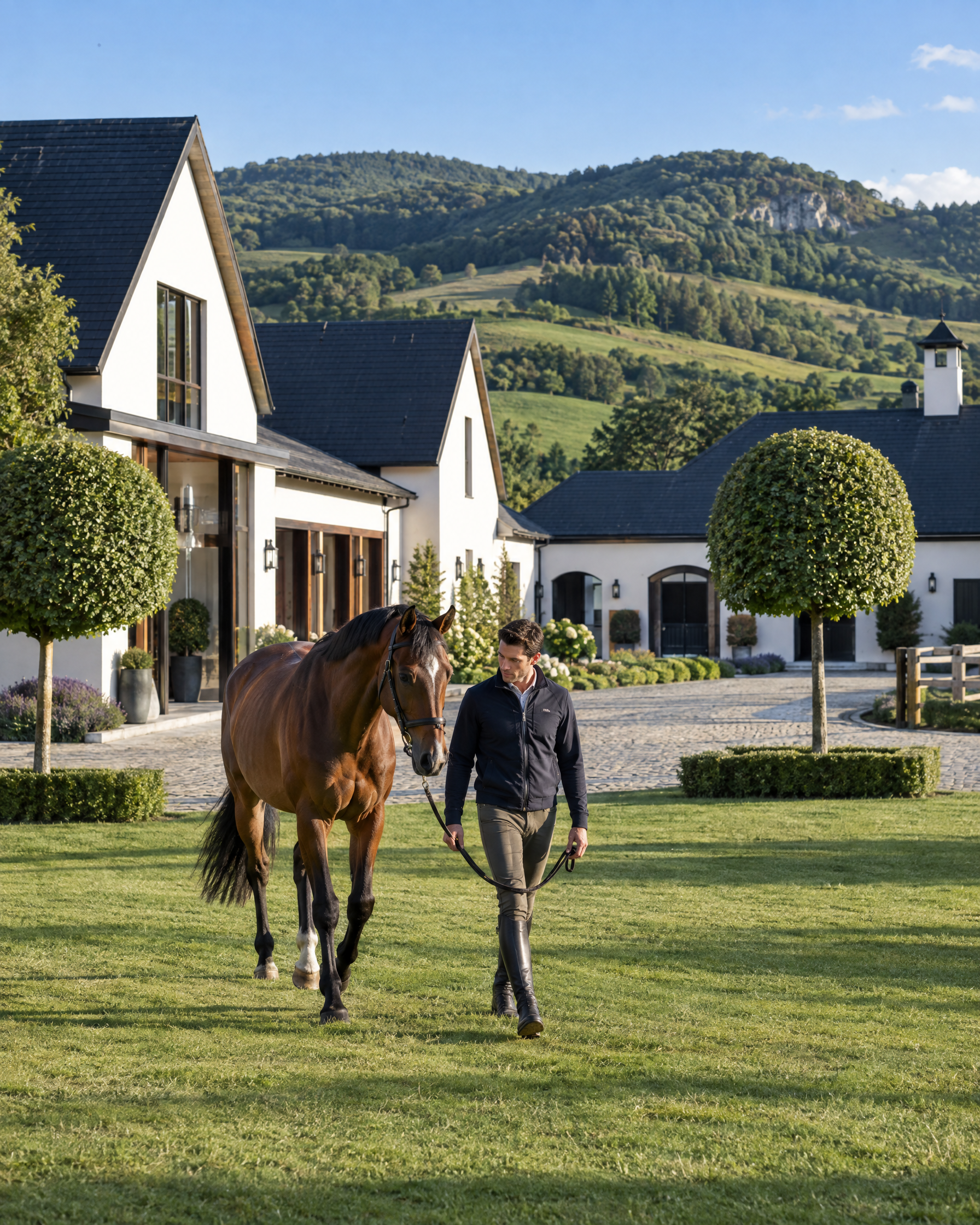
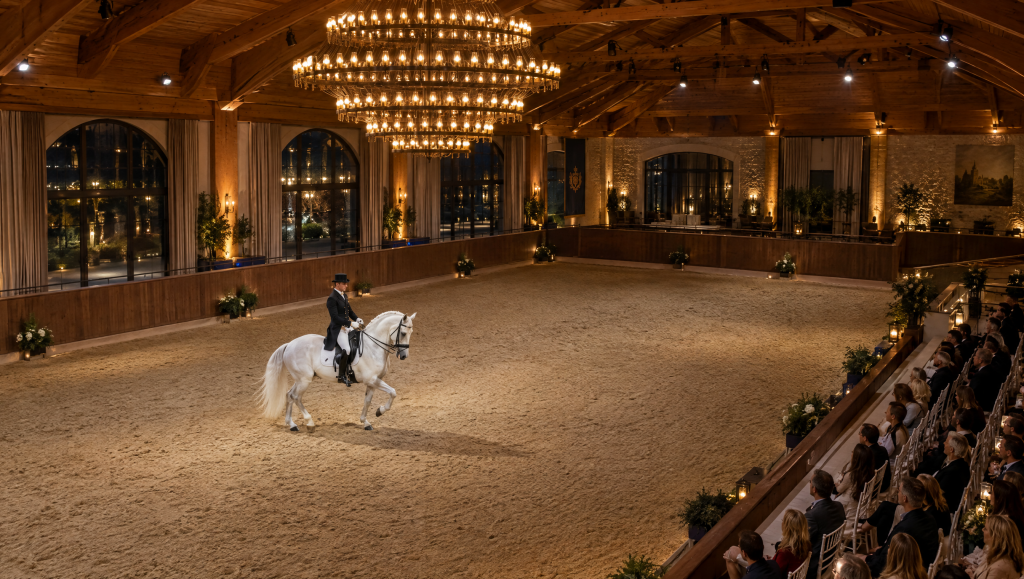
My favourite hotel in the region is the Issa Resort — a beautiful property built right above grand stables with wonderfully pampered horses. It has a wonderful spa, an excellent restaurant, and an arena where horses perform for guests in an elegant, intimate setting.

"Yes, horses. Because apparently a beautiful hotel wasn't enough."

The stables beneath the resort.

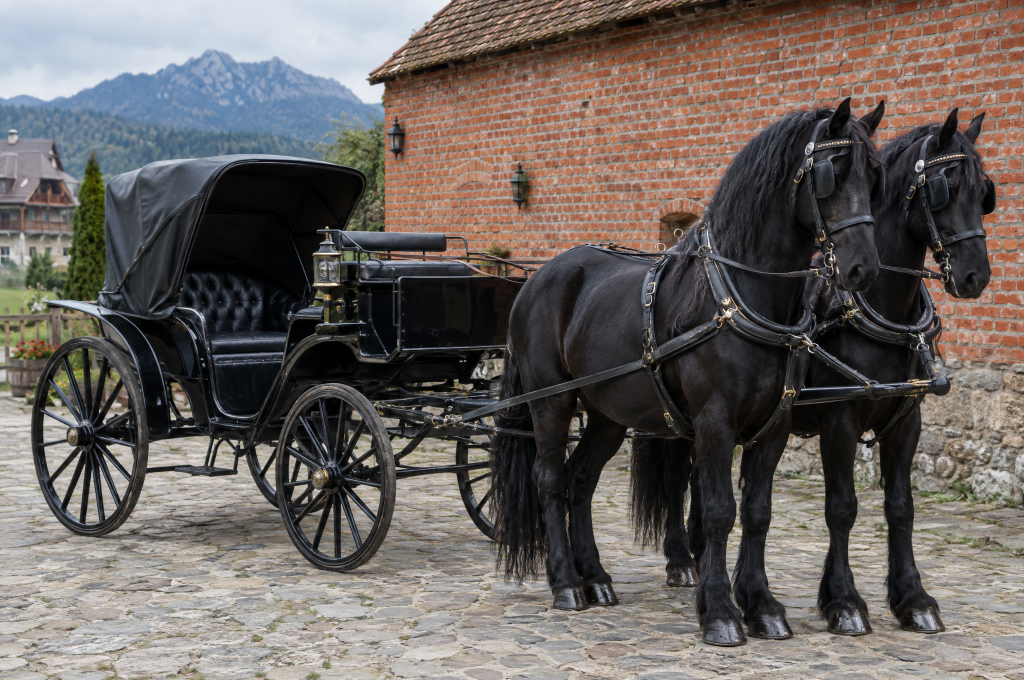
Arriving in style.

Issa doesn’t horse around when it comes to a show.

"Because sometimes arriving by car is just too ordinary." — you can even arrive by helicopter from Bucharest.

Laura's pick · Where to stay
Issa Resort

Spa · Restaurant · Horse arena · Helicopter from Bucharest

Where to eat

Nearby, the Dargău Salt Lakes are the saltiest in Europe — so salty you can’t dive under the water, and you’ll float on your back the moment you try. The salty mud makes for a great beauty treatment, and there are Roman ruins and vineyards close by too.

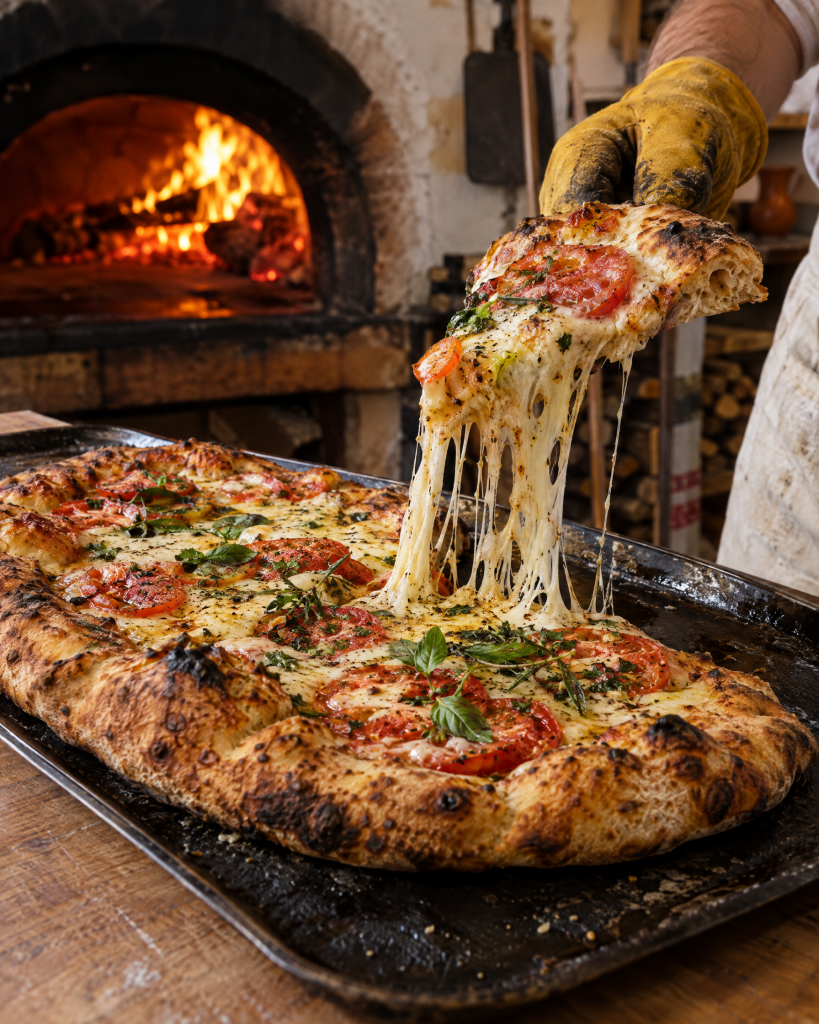
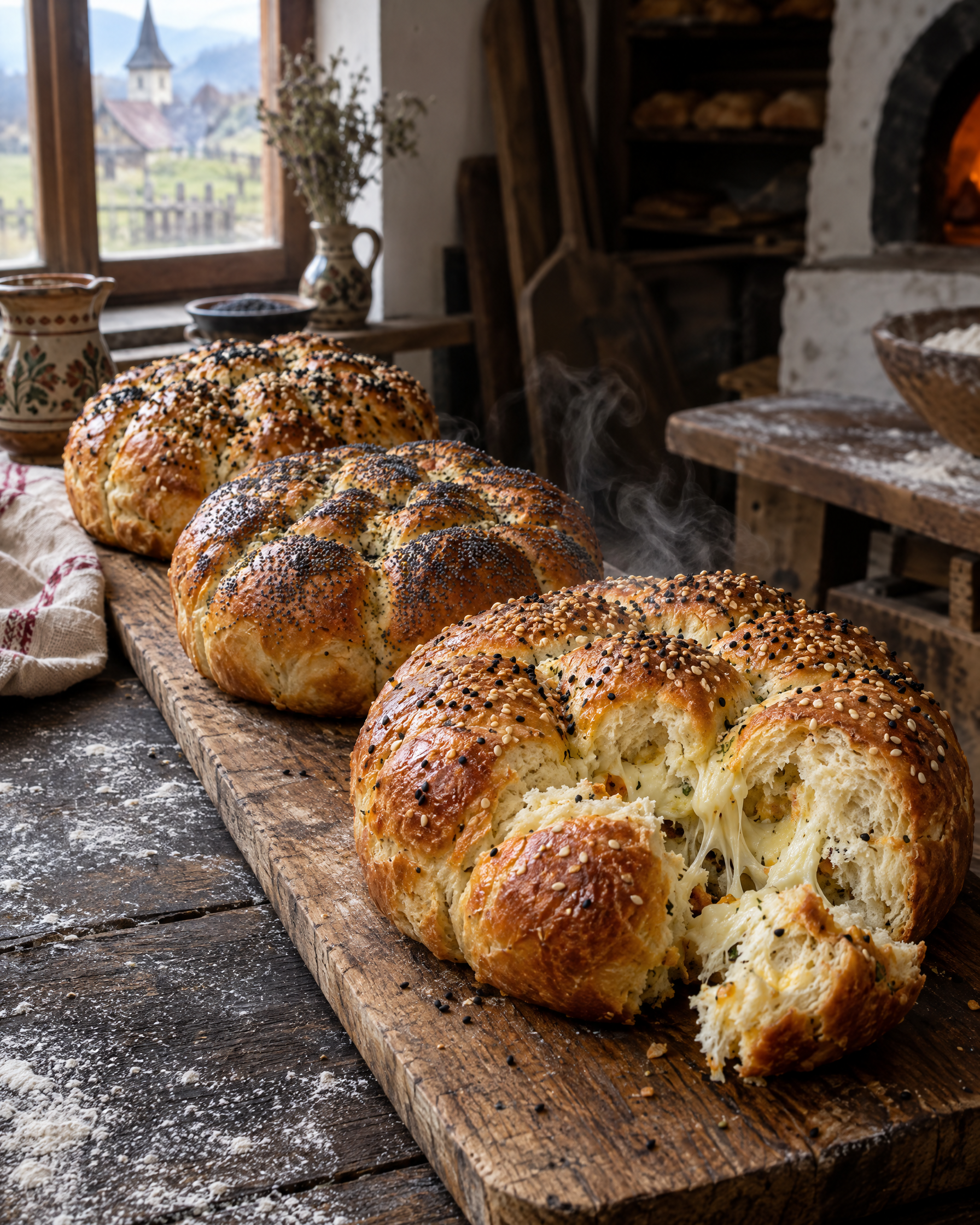
"Yes, I said 'dough.' I couldn't resist."

The stables beneath the resort.

Arriving in style.

Issa doesn’t horse around when it comes to a show.

Laura's pick · Where to stay
Issa Resort

Spa · Restaurant · Horse arena · Helicopter from Bucharest

What to buy

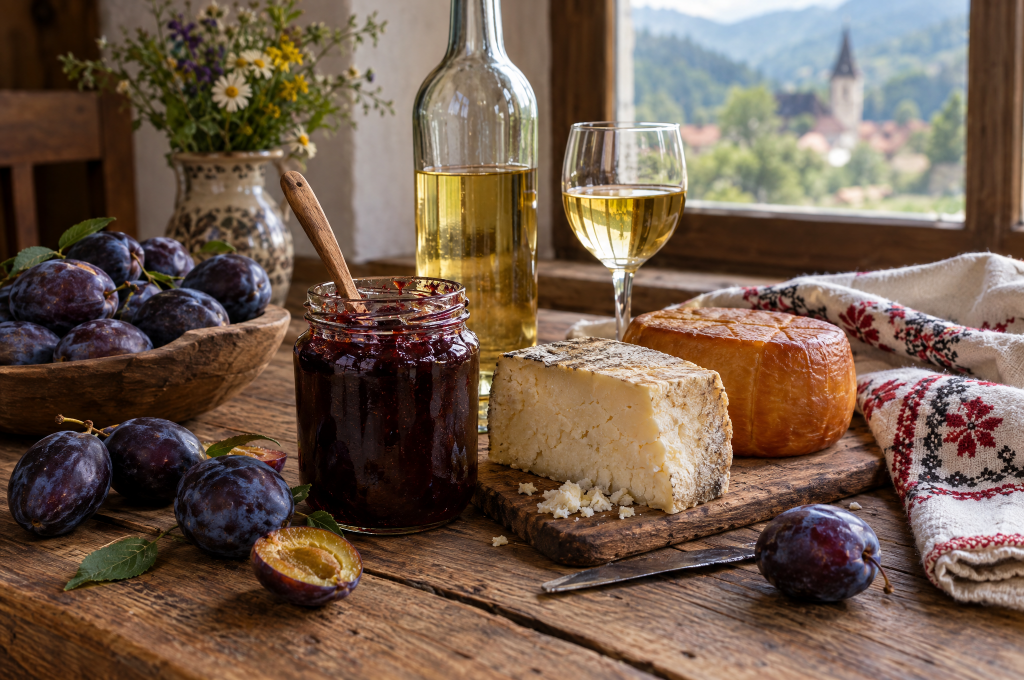
Before you leave, take a piece of Turda home with you. The local market stalls are stacked with wine from the surrounding vineyards, cheeses from small nearby farms, and jars of plum jam that taste like someone’s grandmother made them — because someone’s grandmother probably did.

Local wines

From the vineyards just outside town.

Excellent cheeses

Small-batch, from nearby farms.

Plum jam ★ Laura's favourite

Tastes homemade, because it is.

Issa doesn’t horse around when it comes to a show.

Laura

Spokesperson for Roamania.Travel